A lot of art teachers have learnt to dread the idea of “style” in art.
At Digital Canvas, we put a lot of emphasis on fundamentals in art; learning the rules before you can break them.This is true for light studies, backgrounds and most of all, people. It is hard enough to see people as they are at the best of times, let alone drawing them as they are. A lot of artists make eyes bigger than they are in a normal human face, for example, because they make it easy to show emotions. This is what we mean by style, and we all do it, every day, without meaning to.
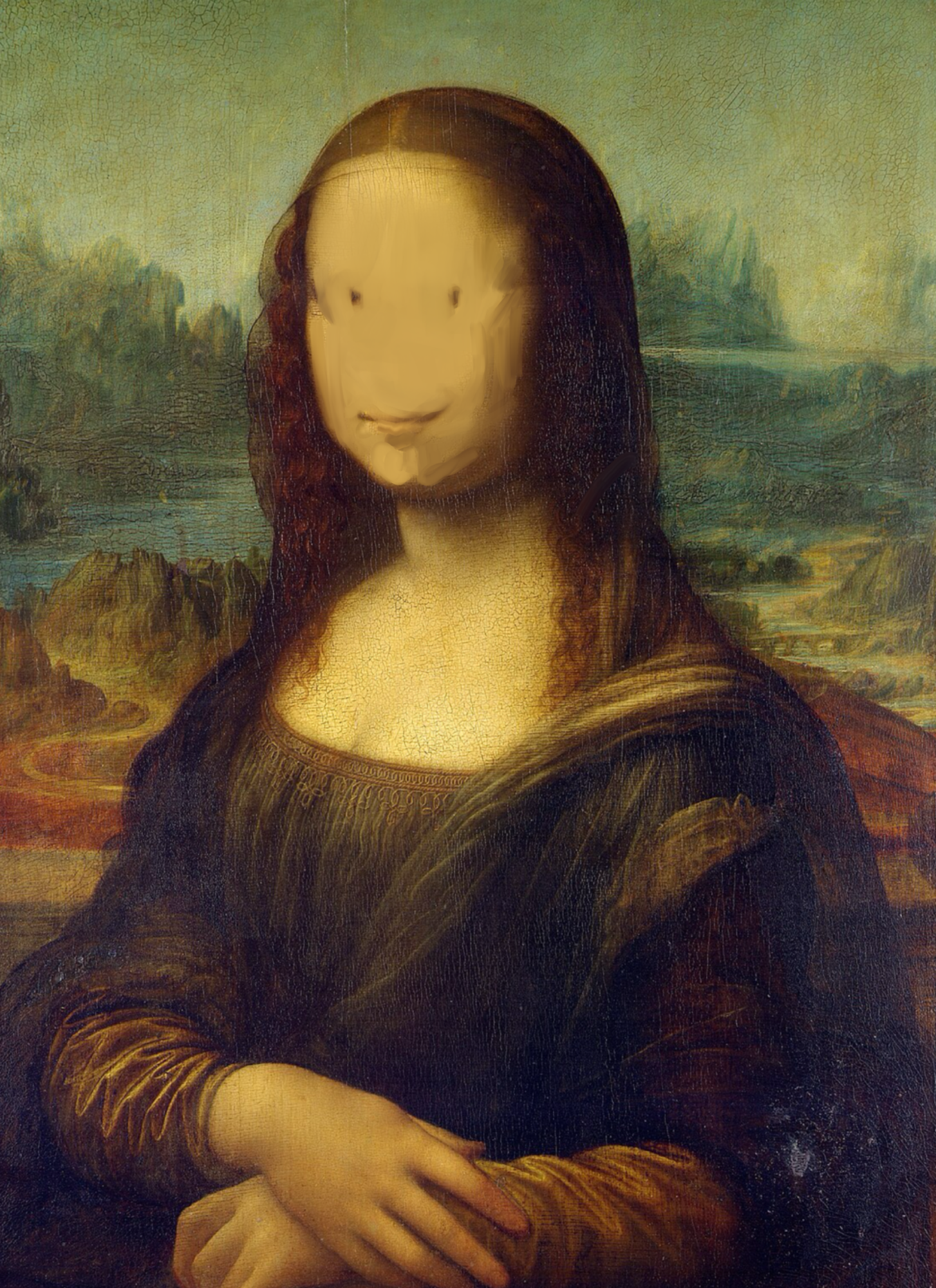
For me the question with “style” is one of intent; what are we trying to achieve when we draw in a certain way? If I make a doodle of my next door neighbour (who keeps me up all night and doesn’t properly put their bins out) with a wonky nose and an ugly face, what am I trying to tell people? If I draw her in a way that’s clean and pleasant, does this communicate something else? Maybe I am happy drawing her with two dots for eyes and a slight curve for a mouth because I don’t know enough or don’t feel bothered enough to put more effort into it, and it still reads perfectly well as a happy face. But a smiley face is unlikely to be hung up alongside the Mona Lisa and studied for years to come. The more complicated our ideas get, the more little details matter; that’s where real world knowledge about light, dark, the shape and bones and muscles of the face, are very useful. I think we practice the fundamentals and try to improve our craft and skills not to smother creativity, but to give us more to work with. Learning more about art gives us more tools for our toolbox; so realism and style don’t necessarily have to be at odds with each other.
With all that said; it’s important to remember than many of the art styles we love aren’t just for telling a story, but for *shudder* marketing. Many of us grow up on comic books, fantasy, cartoons and anime. Styles filled with life and colour, yes, but also, very easy to sell on a book cover or a fast-food ad (as McDonald’s of Japan has demonstrated). I think we do ourselves, and young people all over, a disservice by trying to replicate styles made for mass appeal without diving deeper.
If you love the expressive animals of Zootopia or Hoppers, for example, then the early anthropomorphic cats of Victorian artist Louis Wain should be interesting. If you know a teen who can’t tear themselves away from manga, then consider showing them some of the incredible paintings of Yoshitaka Amano, the original artist and character designer for the world famous Final Fantasy game franchise (incidentally, I recently discovered Amano also drew several covers for Elric of Melnibone, a classic of pulpy British sword and sorcery, which fits better than it should).
I think as artists, it’s equally important that we train our imaginations and inspirations, just as much as we train our eyes and brains, if we want to be more than just marketing machines.